

Nursing Home Abuse Lawyers in Tucson – AZ Attorneys & Law Firm

Nursing home abuse and neglect attorneys in Arizona
Experienced Nursing Home Abuse Attorneys In Tucson

If you are reading this, something probably feels wrong. Maybe you noticed a bruise no one could explain. Maybe your mother has lost weight, or your father seems afraid of a staff member. Trust that instinct. You are not overreacting, and you are not alone.

Our nursing home abuse lawyers help families across Tucson and southern Arizona hold long-term care facilities accountable when residents are harmed. The consultation is free, and you pay nothing unless we recover compensation for you. This page explains what counts as mistreatment, the red flags to watch for, how to report a facility, and what a legal claim can do for your loved one.

Tucson Attorney Directory

Doug Newborn Law Firm, PLLC

Doug Newborn

7315 N Oracle Rd, Suite 230, Tucson, AZ 85704
Practice Areas: Nursing Home Abuse & Neglect

Miller Kory Rowe LLP

Jeffrey B. Miller, Gabriel V. Kory, Teri M. Rowe

2135 E Grant Rd, Suite 100, Tucson, AZ 85719
Practice Areas: Nursing Home Abuse, Elder Abuse

Russo Law Firm

3505 N Campbell Ave, Suite 504, Tucson, AZ 85719
Practice Areas: Nursing Home Abuse, Nursing Home Negligence

Schmidt, Sethi & Akmajian, PC

Ted A. Schmidt, Dev K. Sethi, Matt Schmidt, Peter Akmajian

1790 E River Rd, Suite 300, Tucson, AZ 85718
Practice Areas: Elder Abuse, Nursing Home Abuse

Zanes Law

Doug Zanes, Founder

4580 E Grant Rd #101, Tucson, AZ 85712
Practice Areas: Nursing Home Abuse, Personal Injury

Nursing Home Abuse and Neglect in Tucson

Tucson is home to a large and growing population of older adults, and Pima County has dozens of skilled nursing and assisted living facilities serving them. Most caregivers do difficult work with real compassion. But chronic understaffing, poor training, and corporate cost-cutting leave some residents without the care the law requires.

Families here often spend months choosing a facility, touring dining rooms and reading brochures. What the brochures never show is the overnight staffing ratio, the turnover among aides, or the citation history sitting in a regulator’s file.

When that happens, the harm is rarely a single dramatic event. It builds quietly: a missed medication here, a skipped repositioning there, until a resident ends up in a Tucson emergency room with a stage three pressure ulcer or a broken hip. By the time relatives see the damage, the facility often has an explanation ready. An experienced nursing home abuse lawyer can read those files for what they are: evidence.

The law does not accept those explanations. Under the Adult Protective Services Act, a vulnerable adult who is injured by neglect, abuse, or exploitation can bring a civil claim against the facility responsible. Our nursing home abuse team investigates what really happened, and we answer to you, not the facility.

Types of Abuse in Arizona Long-Term Care Facilities

Arizona Revised Statutes § 46-451 defines abuse of a vulnerable adult broadly. It covers intentional harm, injury caused by negligent acts or omissions, unreasonable confinement, sexual abuse, and emotional mistreatment. Here is what each looks like in practice. Recognizing the category matters, because it shapes the evidence an elder abuse claim requires.

Physical Abuse

Hitting, shoving, rough handling during transfers, or using physical or chemical restraints to control a resident rather than protect them. This is the form of nursing home abuse most people picture, though it is not the most common. Unexplained bruises, welts, or fractures are the most common evidence.

Emotional and Psychological Abuse

Yelling, humiliation, threats, or isolating a resident from visitors and activities. This form leaves no marks, but it often shows up as fear, agitation, or a sudden reluctance to speak when staff are in the room.

Sexual Abuse

Any non-consensual sexual contact with a resident. People with dementia or limited mobility cannot consent and cannot always report what happened, which is exactly why predators target them. These claims deserve immediate legal and law-enforcement attention.

Financial Exploitation

Stolen checks, coerced changes to wills or powers of attorney, unexplained withdrawals, or missing personal property. The statute treats financial exploitation of a vulnerable adult as both a crime and grounds for a civil claim.

Neglect and Understaffing

The most common problem we see in local facilities is not cruelty but absence. Too few aides on a shift means residents are not turned, not toileted, not fed properly, and not supervised. Nursing home neglect is a form of mistreatment under the statute even when no one intended harm.

Warning Signs Families Often Miss

Facilities rarely announce their failures. These are the signs that most often turn out to matter in the cases we handle.
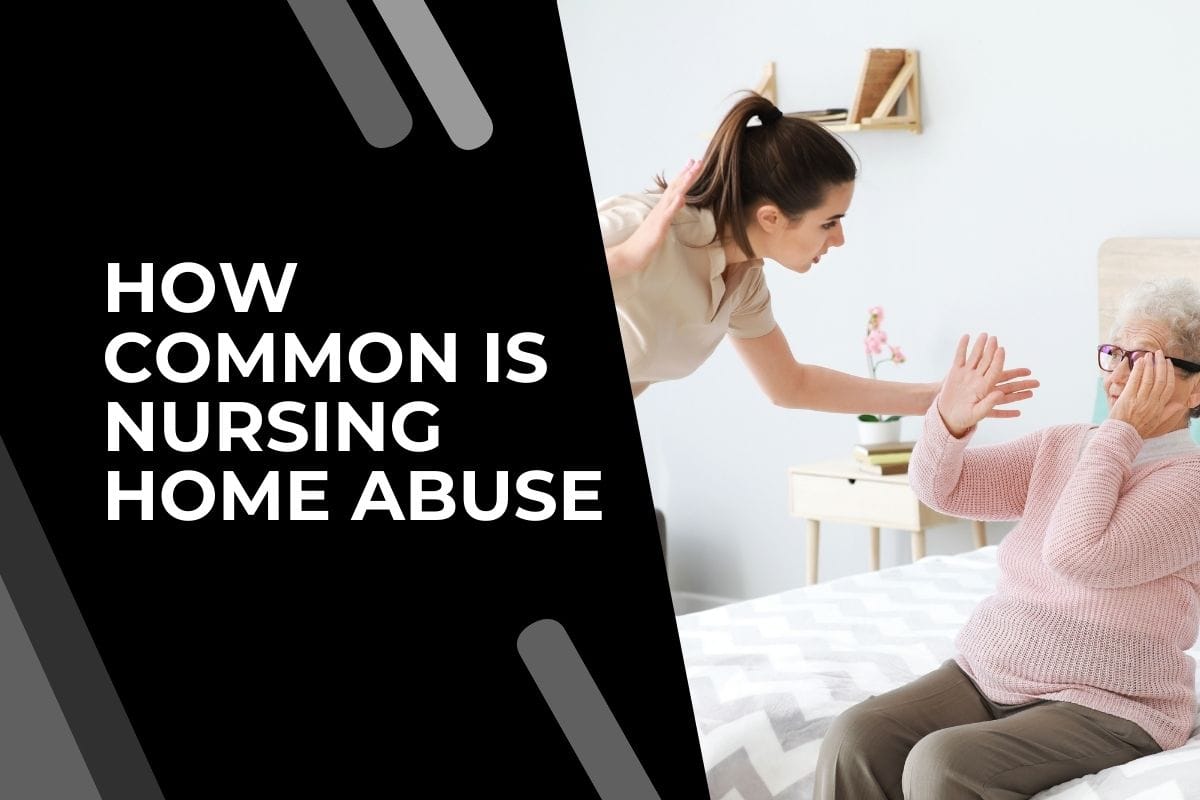
Illustration titled How Common Is Nursing Home Abuse showing a caregiver threatening a frightened elderly resident

Bedsores and pressure ulcers. A pressure ulcer that reaches stage three or four is almost never unavoidable. It means a resident was left in one position far too long. Bedsores on the heels, hips, or tailbone are among the clearest red flags of inadequate care.

Dehydration and malnutrition. Cracked lips, dark urine, confusion, and unexplained weight loss suggest a resident is not getting enough fluids or food, or is not receiving help with eating. In Tucson’s desert heat, dehydration can become a medical emergency quickly.

Unexplained falls and injuries. One fall may be an accident. Repeated falls, or a fracture the facility cannot explain, point to missing fall-risk assessments or unsupervised transfers. Ask for the incident report every time.

Medication errors. Wrong drug, wrong dose, missed doses, or sedatives used to keep a resident quiet. Sudden drowsiness or a personality change is worth investigating.

Withdrawal and behavioral change. A loved one who stops calling, seems fearful, or goes silent around certain caregivers may be telling you something they cannot say out loud.

Poor hygiene. Soiled clothing, unwashed hair, overgrown nails, or a persistent odor in the room signal that basic daily care is not happening. None of these red flags proves mistreatment by itself. Together, and documented over time, they build the record a claim is made of. Photograph any injuries, keep a dated journal, and save every message from the facility.

Rights of Nursing Home Residents in Arizona

Residents of licensed facilities do not give up their rights at the door. Federal law, through the Nursing Home Reform Act, guarantees every resident the right to be free from abuse and unnecessary restraint, the right to participate in their own care planning, the right to privacy, and the right to voice grievances without retaliation.

AZ adds its own layer of protection. Licensing rules here set standards for care planning, staffing, and resident treatment in skilled nursing facilities, and the Adult Protective Services Act gives injured residents and their families a direct civil remedy against facilities and caregivers who cause harm.

When a facility violates these rights and a resident is hurt, that violation becomes powerful evidence of negligence. Our attorneys use state inspection reports, staffing records, and the facility’s own charting to show exactly which standards were broken. If you are unsure which of these protections was violated, a nursing home abuse lawyer can map the facility’s conduct against them.

Statute of Limitations: Arizona State Filing Deadlines

You generally have two years to file a personal injury claim, and claims under the Adult Protective Services Act must also be brought within two years. Wrongful death claims must be filed within two years of the date of death. Shorter deadlines can apply in special situations, such as claims involving a government-run facility, which require a formal notice of claim within 180 days.

Two years sounds like a long time. It is not. Records get destroyed, employees move on, and memories fade. In some situations the clock may not start until the harm was discovered, but you should never count on that. If you suspect mistreatment, talk to an attorney now, while the evidence still exists. Waiting costs nothing but leverage. Deadlines are also why talking to a personal injury attorney early matters more than most people realize.

How to Report Nursing Home Abuse in Tucson

Reporting protects your loved one and creates an official record that strengthens any later claim. If someone is in immediate danger, call 911 first. Otherwise, these are the agencies that handle complaints about Tucson facilities.

AgencyWhat They HandleHow to Contact
Arizona Adult Protective Services (DES)Reports of abuse, neglect, and exploitation of vulnerable adults1-877-SOS-ADULT (1-877-767-2385) or online at des.az.gov, available 24/7
Pima County Long-Term Care Ombudsman (Pima Council on Aging)Resident advocacy and complaints inside Tucson-area facilities(520) 790-7262 or pcoa.org
Arizona Department of Health Services, Long-Term Care LicensingFacility inspections, licensing violations, and quality-of-care complaintsOnline complaint form at azdhs.gov or (602) 364-2536
Tucson Police DepartmentEmergencies and suspected crimes against residents911 for emergencies; (520) 791-4444 non-emergency

You can make a report anonymously, and the law protects good-faith reporters from retaliation. Reporting does not require proof. If something feels wrong, say so, and let the investigators do their job. Our attorneys can also file these reports for you and preserve evidence at the same time. Then call us so the civil side of the case is protected too.

Compensation and Damages in a Neglect Case

A civil claim cannot undo the harm, but it can pay for what recovery requires and force the facility to answer for what it did. Depending on the facts, compensation may cover medical bills and rehabilitation, the cost of moving to a safer facility, physical pain, emotional suffering, and the loss of dignity your loved one endured.

Where a resident died from mistreatment, surviving family members may bring a wrongful death claim for their own losses, including the loss of companionship. We also document what the harm took away day to day: the hobbies given up, the independence lost, the fear that lingers after a preventable fall. Fair compensation also accounts for future needs: ongoing therapy, mobility equipment, and the higher cost of quality caregiving.

Few states protect injured people as strongly. The state constitution prohibits laws that cap the damages a jury can award in injury or death claims. Where conduct was reckless, punitive damages may also be available. Every case is different, and no honest lawyer will promise a number, but we can tell you what your claim involves after we review the facts.

How Our Tucson Law Firm Handles Your Case

Everything starts with a free consultation. You tell us what you have seen, we tell you honestly whether the facts support a claim, and you decide what happens next. There is no obligation and no pressure.

If we take the case, we work on a contingency fee. You pay no retainer and no hourly bills. Our fee comes out of the recovery, and if there is no recovery, you owe us nothing.

Our team then investigates: we obtain medical records and facility charts, pull inspection histories, interview witnesses, consult medical experts on causation, and calculate the full value of the harm. Most claims resolve through negotiated settlement, but we prepare every one as if it will be tried to a Pima County jury, because facilities pay attention to firms with real courtroom experience. That experience shows in how thoroughly every file is built. That preparation is also why early contact matters. The sooner our investigation starts, the more of the paper trail survives.

When you contact us, it helps to have photographs of any injuries, the names of caregivers or witnesses, copies of any incident reports, and a timeline of what you observed. Do not worry if you have none of this. We know how to get it.

Serving Nearby Arizona Communities

Our attorneys represent residents throughout the state, including Phoenix, Mesa, Chandler, Scottsdale, Tempe, Glendale, Peoria, Casa Grande, Sierra Vista, and Yuma. See every location statewide or browse all of our attorney locations nationwide.

Talk to an Attorney About Your Loved One’s Case

You noticed something was wrong. That is the hardest step, and you have already taken it. Let us handle the rest.

Call us any time, day or night, or use our contact form for a free, confidential case review. A Tucson nursing home abuse attorney from our team will listen, explain your loved one’s options under the law, and give you a straight answer about whether you have a claim. You pay nothing unless we win. Nothing you say obligates you to anything, and reading this page does not create an attorney-client relationship. It simply means you care enough to ask the right questions, and your loved one is lucky to have you asking them.

Need to Report Nursing Home Abuse or Neglect in Tucson
Get connected with an independent local attorney today if you or a loved one has experienced abuse or neglect while being a resident of a nursing home or long term living facility.

Frequently Asked Questions

Less difficult than facilities want you to believe. The hard part is proof, and that is our job, not yours. Facilities keep detailed records they are legally required to maintain, and those records, together with official inspection reports, usually tell the story. An experienced attorney handles the investigation, the filings, and the negotiation while you focus on your family.

The statute defines it as intentional physical harm, injury caused by negligent acts or omissions, unreasonable confinement, sexual mistreatment, or emotional cruelty against a vulnerable adult. Neglect, meaning the failure to provide necessary food, water, medication, or supervision, and financial exploitation are also covered. Most residents of long-term care facilities qualify as vulnerable adults under the statute.

Call Adult Protective Services at 1-877-767-2385 or report online, any time. For facility licensing issues, file a complaint with the Department of Health Services. For advocacy inside a Tucson facility, contact the Pima Council on Aging ombudsman at (520) 790-7262. If a crime may have occurred, call law enforcement. You can do all of these, and none of them prevents a civil claim.

Outcomes depend entirely on the evidence: the severity of the harm, the quality of the records, and the facility’s inspection history. No lawyer can promise a result. What we can say is that most well-documented claims resolve in settlement rather than trial, and that facilities take claims far more seriously when a personal injury firm with trial experience is on the other side.

Legally, yes. Practically, it is a serious mistake. Facilities are defended by insurance companies and experienced defense counsel. These cases require medical experts, formal discovery, and knowledge of the vulnerable adult statutes. Because our fee is contingent, hiring us costs nothing up front and nothing at all unless you recover. An experienced abuse lawyer levels that field.

Neglect is the failure to provide the care a resident needs: food, fluids, hygiene, medication, repositioning, and supervision. Bedsores, dehydration, malnutrition, and repeated falls are its most common results. Under the APSA, neglect of a vulnerable adult supports a civil claim even when no single employee meant to cause harm.

Get a FREE Case Review

"*" indicates required fields

Are You Entitled to Compensation?

If you or a loved one have been the victim of nursing home abuse or neglect, you may be eligible for financial compensation.